
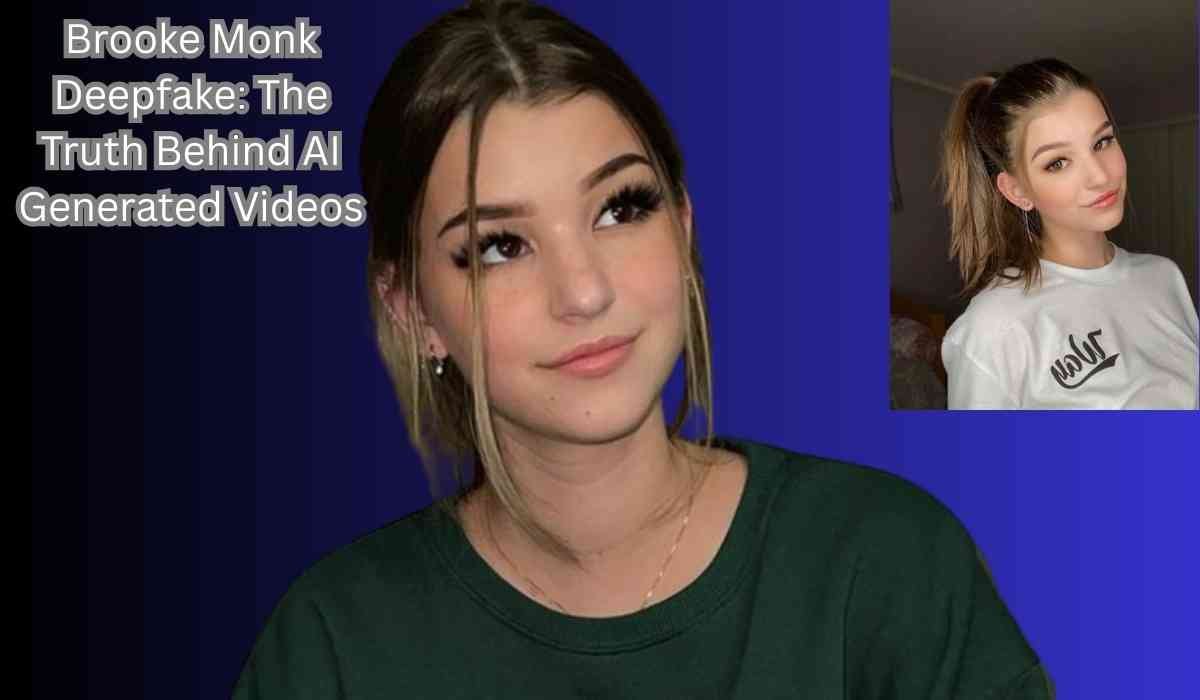
Brooke Monk is one of TikTok’s most recognized young creators, known for her relatable content and massive following. But recently, her name has been tied to something far more serious than viral trends. The Brooke Monk deepfake controversy has sparked real conversations about AI, consent, and digital safety.
This isn’t just about one influencer. It’s about a growing problem that affects millions of people online. AI-generated videos are getting more convincing, and the risks that come with them are getting harder to ignore. Understanding what happened and why it matters is the first step.
What Is the Brooke Monk Deepfake Controversy?
The Brooke Monk AI deepfake situation involves fake videos created using AI tools that place her likeness into content she never agreed to. These viral deepfake videos spread quickly across platforms, causing confusion and real harm.
Many fans couldn’t tell what was real. The Brooke Monk fake video content wasn’t just misleading. It was a direct violation of her privacy and a clear example of unauthorized AI content being used to damage someone’s image without their knowledge or permission.
| Key Facts | Details |
|---|---|
| Who is affected | Brooke Monk, TikTok influencer |
| Type of content | AI-generated fake videos |
| Main concern | Privacy violation and misinformation |
| Platform spread | TikTok, Twitter, Reddit |
- Fake videos used her face without consent
- Content was created using AI face manipulation tools
- Spread rapidly before platforms could act
- Caused public confusion and distress
Read More: Sydney Sweeney Feet, Shoe Size, Height, and Fashion Style Explained
How Deepfake Technology Works in AI Videos
Deepfake technology uses deep learning models trained on real images and video footage to swap faces or generate entirely fake clips. The result is synthetic media that looks shockingly real to the average viewer.
The AI manipulation technology behind this has become more accessible over time. What once required serious computing power can now be done with free apps. That’s what makes AI-generated videos such a growing threat to real people, especially those with a large public presence.
| Technology Layer | What It Does |
|---|---|
| Neural Networks | Learns facial features from data |
| Face Swapping Algorithms | Replaces one face with another |
| Voice Cloning Tools | Mimics speech patterns |
| Video Synthesis | Creates full fake scenes |
- Works by analyzing thousands of real images
- Produces hyper-realistic fake videos using GANs
- Can clone voice and facial expressions together
- Gets more convincing as the AI learns more data
Why Influencers Like Brooke Monk Are Targeted
Influencers are targeted because they have thousands of publicly available photos and videos online. That data is exactly what AI deepfake creation tools need to build a convincing fake. More content online means easier targeting.
Brooke Monk influencer authenticity built her audience, but that same visibility made her vulnerable. The deepfake impact on influencers goes beyond embarrassment. It shakes audience trust and forces creators to constantly defend their own identity online.
- Large public image libraries make AI training easy
- High follower counts increase spread of fake content
- Young female creators face disproportionate targeting
- Fame creates a bigger incentive for bad actors
| Risk Factor | Why It Matters |
|---|---|
| Public image availability | Feeds AI training data |
| Fame and reach | Amplifies spread of fakes |
| Gender bias | Women targeted more often |
| Brand value | Reputation damage hits income |
The Risks of AI-Generated Fake Videos Online
Deepfake risks go well beyond one person’s reputation. These videos spread deepfake misinformation, manipulate public opinion, and can be used to harass, extort, or silence individuals, especially women and public figures.
Social media AI risks are real and growing. Platforms struggle to catch this content fast enough. By the time a Brooke Monk fake video or similar content gets removed, it’s often already been seen, shared, and downloaded thousands of times.
- Emotional and psychological harm to the target
- Spread of false narratives using real faces
- Used as tools for harassment and extortion
- Difficult to fully remove once it goes viral
| Risk Type | Impact Level |
|---|---|
| Reputation damage | Very High |
| Mental health impact | High |
| Legal complications | Moderate to High |
| Career/income damage | High |
Deepfake Ethics: Privacy, Consent, and Legal Concerns
Deepfake ethical concerns come down to one simple thing: using someone’s likeness without their consent is wrong. It doesn’t matter how advanced the technology is. AI privacy and consent issues are at the heart of why this matters legally and morally.
Many countries are still catching up on laws around digital impersonation risks. Some states in the US have passed specific deepfake legislation, but enforcement is inconsistent. The gap between what AI can do and what the law covers remains dangerously wide.
- No consent means no right to use someone’s face
- Existing privacy laws often don’t cover AI-generated content
- Some US states have enacted deepfake-specific laws
- International regulation is still very fragmented
| Legal Status | Region |
|---|---|
| Specific deepfake laws | California, Texas, Virginia |
| General privacy laws apply | EU (GDPR framework) |
| Limited regulation | Most of Asia, Africa |
| Ongoing legislative debate | UK, Australia, Canada |
How Deepfakes Impact Celebrity Reputation and Trust
Celebrity privacy invasion through deepfakes does lasting damage. Even after a fake video is debunked, the doubt lingers. Audiences start questioning everything, and that erodes the trust creators spend years building.
The impact of deepfakes on online reputation is hard to undo. A celebrity deepfake can go viral in hours and cause permanent search result contamination. For influencers whose income depends on public trust, that’s not just upsetting. It’s a genuine business threat.
- Fans may doubt real content after seeing a fake
- Brand deals and sponsorships can be affected
- Search results get polluted with false information
- Emotional toll on the person targeted is severe
Ways to Spot a Deepfake Video on Social Media
Knowing how to spot a deepfake video is one of the best defenses available right now. Most fakes still have subtle visual flaws that a careful eye can catch before sharing or believing the content.
Identifying fake videos online takes practice, but there are clear signs. Watch for unnatural blinking, blurry edges around the face, inconsistent lighting, or audio that doesn’t quite match the lip movement. These are common tells in current AI face manipulation outputs.
- Unnatural or missing blinking patterns
- Blurry hairlines and edges around the face
- Lighting that doesn’t match the background
- Audio timing that’s slightly off from lip movement
- Facial expressions that look stiff or exaggerated
Protecting Digital Identity from Deepfake Misuse
Digital identity protection starts with being thoughtful about what you post publicly. Limiting high-resolution images and videos reduces the data available for AI tools to train on and misuse.
Online identity misuse is a real risk even for regular people, not just celebrities. Using watermarks, reverse image searches, and platform reporting tools are all part of protecting online identity from AI in today’s environment. Creators especially need a proactive plan.
- Limit publicly available high-res photos and videos
- Use digital watermarks on original content
- Set up Google alerts for your name and likeness
- Report fake content immediately on all platforms
- Document everything in case legal action is needed
The Future of Deepfake Technology and Regulation
Deepfake technology isn’t going away. If anything, it’s going to get better and cheaper. The real question is whether regulation and detection tools can keep up with the pace of development before more people get hurt.
Governments and tech companies are both investing in AI detection tools and legislative frameworks. But progress is slow. Until stronger guardrails exist, deepfake awareness and public education will remain the most practical tools we have against this kind of synthetic media misuse.
- AI detection tools are improving but not perfect yet
- Several countries are drafting new deepfake legislation
- Tech platforms are building automated detection systems
- Public awareness campaigns are gaining momentum
- Watermarking AI-generated content is being explored as a standard
Media Literacy: Staying Safe in the Age of AI
Media literacy for deepfakes means learning to question what you see online before you react or share it. Not everything that looks real is real, and that shift in thinking is now a basic survival skill for the internet.
Deepfake safety tips and media literacy awareness need to be taught in schools, shared on social platforms, and built into how we consume content daily. The more people understand how AI deepfakes affect celebrities and everyday users alike, the harder it becomes for bad actors to cause harm.
- Always check the original source before sharing
- Look for verification from the person themselves
- Use tools like InVID or Deepware Scanner
- Teach kids and teens about fake video risks early
- Follow credible fact-checking organizations online
Conclusion
The Brooke Monk deepfake situation is a wake-up call for everyone online. It shows how quickly AI-generated videos can harm real people and how unprepared most platforms and legal systems still are. No one should have their face, voice, or identity stolen and weaponized without consequence.
Staying informed is the most powerful thing you can do right now. Understanding deepfake risks, learning to spot fakes, and supporting stronger regulation all matter. Digital identity protection isn’t optional anymore. It’s something every person with an online presence needs to take seriously.